

Ever feel like your mornings are slipping through your fingers before the day even begins? You’re not alone.
In an age where we’re drowning in notifications, it’s no surprise that many of us feel like we’re losing the day before it even begins. In fact, research from the Journal of Management found that employees who take a few moments to plan their day in the morning report higher job satisfaction and less stress.
Your morning routine isn’t just self-care—it’s a survival strategy.
Let’s unravel what makes a morning routine not just good, but powerfully productive, according to neuroscience, behavioral psychology, and the lived habits of people who actually get stuff done.
Why Morning Routines Still Matter
Here’s the thing—life’s chaotic. New tools, remote work, economic anxiety, endless news cycles.
Amid all that noise, a solid morning routine is your quiet, reliable friend.
It’s not about being perfect. It’s about being primed. A good morning:
- Flips on your decision-making engine (hello, prefrontal cortex)
- Prevents burnout before it begins by running autopilot on the right habits
- Generates momentum—because how you start is often how you continue
Let’s not romanticize it. It’s practical. Your morning is the keystone habit. Nail it, and the rest gets lighter.
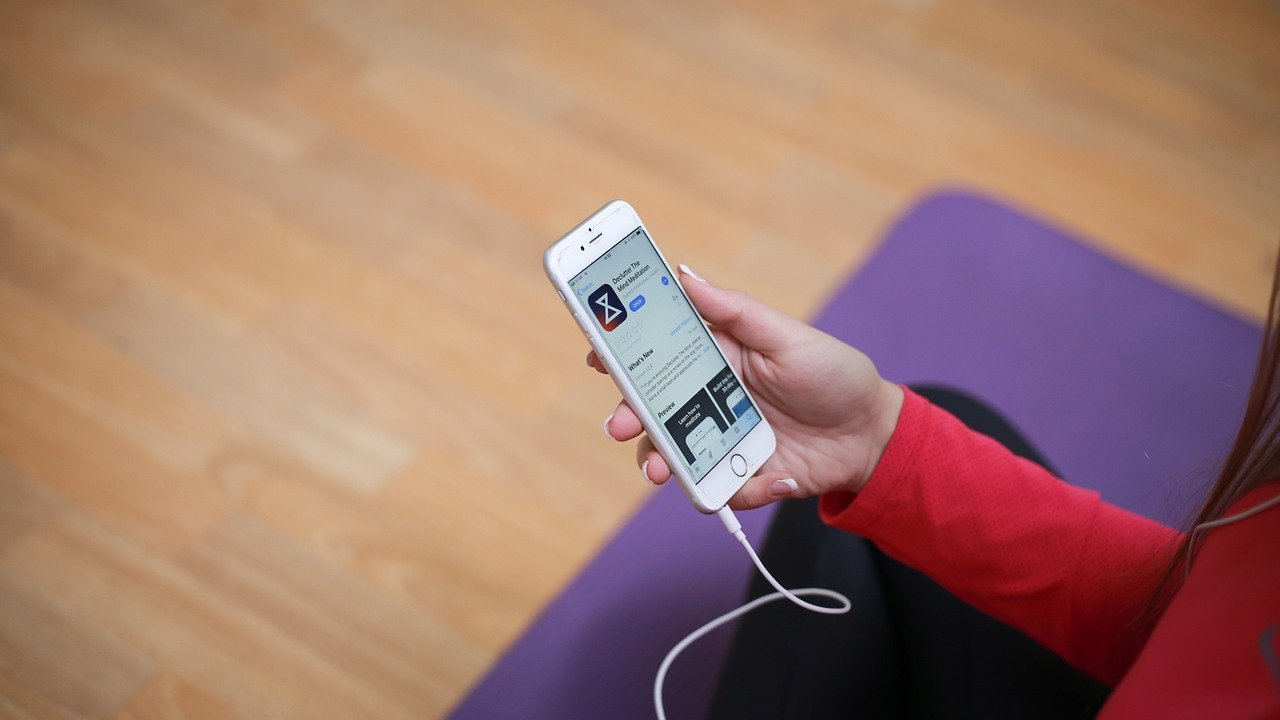
The Power of Morning Meditation: A Step-by-Step Guide
The 9-Part Morning Routine That Actually Works
1. Wake Up at the Same Time Every Day
Consistency isn’t sexy—but it’s the magic sauce.
Whether you’re a night owl or early riser, pick a time and stick to it. Yes, even on Sundays.
That trains your circadian rhythm, improves your sleep quality, and sharpens your thinking.
Try a sunrise lamp or light therapy if your mornings feel like emerging from a fog bank.
Short take: Rhythm builds results.
Top 5 Self-Improvement Habits for Lasting Personal Growth.
2. Get Natural Light in the First Hour
Before you touch your phone or your coffee maker, get outside — or at least to a window.
Light hitting your eyes in the morning is the strongest signal your brain uses to set its internal clock. It tells your suprachiasmatic nucleus (the master clock in your brain) that the day has started, which raises alertness and suppresses melatonin — the hormone that was keeping you asleep.
Why it Works: According to Harvard Health, light is the primary cue your circadian system uses to synchronize with the day — morning exposure supports alertness and mood, and helps regulate sleep the following night. Aim for 20–30 minutes outdoors if you can; a bright window works if you can’t get outside.
3. Hydrate Before You Caffeinate
Tempted to grab coffee first thing? Hold up.
Your brain is dehydrated. Your cells are sluggish. Before you pour the espresso, drink half a liter of water—ideally with lemon or electrolytes.
Why it matters: Even slight dehydration makes you dumber and crankier.
It’s simple biology, not wellness fluff.
Why it Works: Dehydration doesn’t just make you thirsty; it impairs cognitive function. A study published in Medicine & Science in Sports & Exercise found that even mild dehydration can impair attention and memory. Starting with water is the simplest way to bring your brain back online.
4. Avoid Your Phone for the First 30 Minutes
Don’t give your peace away to a screen.
The second you check your phone, you’re reacting to someone else’s agenda.
Instead, stay offline for the first 30 minutes. Let your thoughts stretch out. Let your brain breathe.
What if the first thing you consumed wasn’t a tweet but your own clarity?
5. Move Your Body (Even Briefly)
You don’t need to train like an Olympian. Just move.
Try:
- A 10-minute yoga flow
- Stretching while your coffee brews
- A barefoot walk on grass
- 20 jumping jacks. Boom. Done.
Movement is mood medicine. It spikes your dopamine and primes your body to do anything else better.
Why it Works: Exercise is one of the most powerful ways to boost your mood and focus. As neuroscientist Dr. Andrew Huberman explains on the Huberman Lab podcast, morning exercise, especially with sunlight exposure, helps to set your body’s circadian clock and triggers the release of dopamine, which is essential for alertness and drive. Even a brisk 10-minute walk can make a significant difference.
6. Practice Mindfulness or Meditation
Pause. Inhale. Hold. Exhale. That’s it.
You don’t have to chant or sit like a monk. Even two minutes of stillness calms your nervous system and sharpens your decision-making.
Try:
- Box breathing (4 in, 4 hold, 4 out, 4 hold)
- A gratitude line in your journal
- Waking Up app for guided mindfulness
Why it Works: Mindfulness is a workout for your prefrontal cortex—the part of your brain responsible for focus and decision-making. Research from Harvard University has shown that regular meditation can physically increase grey matter density in brain regions linked to learning, memory, and emotional regulation.
7. Plan Your Top 3 Priorities
Don’t drown in a bloated to-do list. Focus on your big 3.
Ask:
- What’s essential?
- What’s optional?
- What can I give away?
That’s clarity. That’s strategy. That’s leadership—even if you’re only leading yourself today.
Abhyanga for Sleep: The Ancient Ayurvedic Ritual That Helps You Fall Asleep Faster.
8. Eat a Protein-Rich Breakfast (Optional, but Game-Changing)
If you eat breakfast, make it count. Go for protein + fats to keep your blood sugar steady and your focus sharp.
Try:
- Scrambled eggs with avocado
- Greek yogurt + nuts
- Chia pudding with almond milk
Skip the sugar bomb cereals and empty “energy bars.” They lie.
Eat like someone who values their brain.
Why it Works: A breakfast high in protein and fiber is key for sustained energy. A 2023 University of Copenhagen study reported that a protein-rich breakfast increases feelings of fullness and improves cognitive performance throughout the day. It prevents the blood sugar crash and subsequent brain fog that comes from a carb-heavy or sugary start.
9. Use the First 90 Minutes for Deep Work
This is your sacred window. Your peak mental zone — but give it a few minutes to actually open.
Why it Works: Cortisol rises sharply in the first 30–45 minutes after you wake — the Endocrine Society describes this as the body preparing its metabolic and neurocognitive systems for the day ahead. That’s a big part of why diving straight into your hardest task the second you open your eyes often feels harder than doing the same task 30–45 minutes later — your system is still ramping up, not yet at its peak.
No emails. No multitasking. Just one focused sprint on your most meaningful task.
Use:
- The Pomodoro technique
- Noise-canceling headphones
- Brain.fm or classical music
Think of it as intellectual weightlifting. Don’t waste your strongest rep scrolling.
Tech That Helps—If You Let It
Let’s not pretend we’re tech-averse monks.
Smart tools can sharpen your routine:
- Sleep tracking: Oura Ring, Whoop
- Alarms: Hatch Restore, Sleep Cycle
- Focus apps: Forest, Freedom, Brain.fm
- Habit builders: Streaks, Habitica, Notion templates
Just don’t become a tool hoarder. Tech should serve you, not seduce you.
Common Pitfalls to Watch For
Even great routines fall apart. Here’s where people slip:
- Overdesigning the morning: You don’t need a 15-step checklist
- Comparison traps: You’re not Jocko Willink. That’s okay.
- Perfectionism: Missed a day? Reset. Don’t spiral.
- No nighttime prep: Your next morning starts tonight.
10 Health Benefits of Meditation and How to Focus on Mindfulness.
Final Thoughts: Build a Morning That Builds You
Here’s what matters: You don’t need to do everything. You just need to do a few things that signal, “Today matters.”
Build a rhythm that works for your life. Don’t borrow someone else’s blueprint.
Hydrate. Move. Breathe. Choose. Then protect your best hour like it’s sacred—because it is.
Frequently Asked Questions
The routine covers: waking at the same time daily, getting natural light in the first hour, hydrating before caffeine, avoiding your phone for 30 minutes, moving your body, practicing mindfulness or meditation, setting your top 3 priorities, eating a protein-rich breakfast, and using the first 90 minutes for deep work.
Light hitting your eyes in the morning is the strongest signal your brain uses to set its internal clock. According to Harvard Health, morning light exposure supports alertness and mood and helps regulate sleep the following night. Aim for 20-30 minutes outdoors, or a bright window if you can’t get outside.
Even slight dehydration impairs cognitive function. A study published in Medicine & Science in Sports & Exercise found that mild dehydration can impair attention and memory, so starting with water helps bring your brain back online before you reach for coffee.
Cortisol rises sharply in the first 30-45 minutes after waking, which the Endocrine Society describes as the body preparing its metabolic and neurocognitive systems for the day. That’s why diving into your hardest task the second you open your eyes often feels harder than doing it 30-45 minutes later, once your system has ramped up.
Yes. A 2023 University of Copenhagen study reported that a protein-rich breakfast increases feelings of fullness and improves cognitive performance throughout the day, preventing the blood sugar crash and brain fog that comes from a carb-heavy or sugary start.










1 thought on “A Science-Backed Morning Routine for All-Day Productivity”