

Most people who set ambitious resolutions abandon them within a few months. The problem usually isn’t motivation — it’s strategy. Lasting change comes from small, repeatable daily habits, not from grand plans that collapse the first busy week.
This guide covers the top 5 best habits for self-improvement — daily mindfulness, regular movement, SMART goals paired with journaling, lifelong learning, and a consistent morning routine — plus the systematic techniques and practical self-improvement tips that actually make them stick, not just the habits themselves.
Key Takeaways
- Habits become automatic after a median of 66 days, not the popular “21 days” myth — and missing a single day doesn’t reset the process (Lally et al., 2010).
- An eight-week mindfulness practice measurably changes brain structure, not just mood (Harvard, 2011).
- “Systematic” self-improvement means designing repeatable systems and review cycles, not just setting goals.
Why Self-Improvement Habits Matter
A widely cited University College London study tracked 96 people trying to build a new daily habit and found it took a median of 66 days for the behavior to become automatic, with a real range of 18 to 254 days depending on the habit and the person (Lally et al., European Journal of Social Psychology, 2010). The popular “21 days” figure doesn’t hold up — but the study also found something more useful: missing a single day here or there didn’t meaningfully disrupt the habit-forming curve.
That matters because it reframes what “self-improvement” actually requires. Not perfect discipline — just enough repetition, spread out over two to three months, for a behavior to stop requiring willpower. By focusing on personal growth strategies you can:
- Boost your mental and emotional well-being.
- Achieve career success and financial stability.
- Build stronger, more meaningful relationships.
The Top 5 Best Habits for Self-Improvement
1. Practice Daily Mindfulness
Mindfulness isn’t just for monks or yoga retreats — it’s a proven way to bring calm and clarity to even the busiest lives. An eight-week mindfulness meditation study from Harvard University found measurable increases in grey matter density in brain regions tied to learning, memory, and emotional regulation — not just a subjective sense of calm.
How to get started:
- Start small: Dedicate 5–10 minutes a day to mindful breathing or meditation.
- Attach it to daily life: Practice mindfulness while eating, walking, or doing chores — focus fully on your senses and movements.
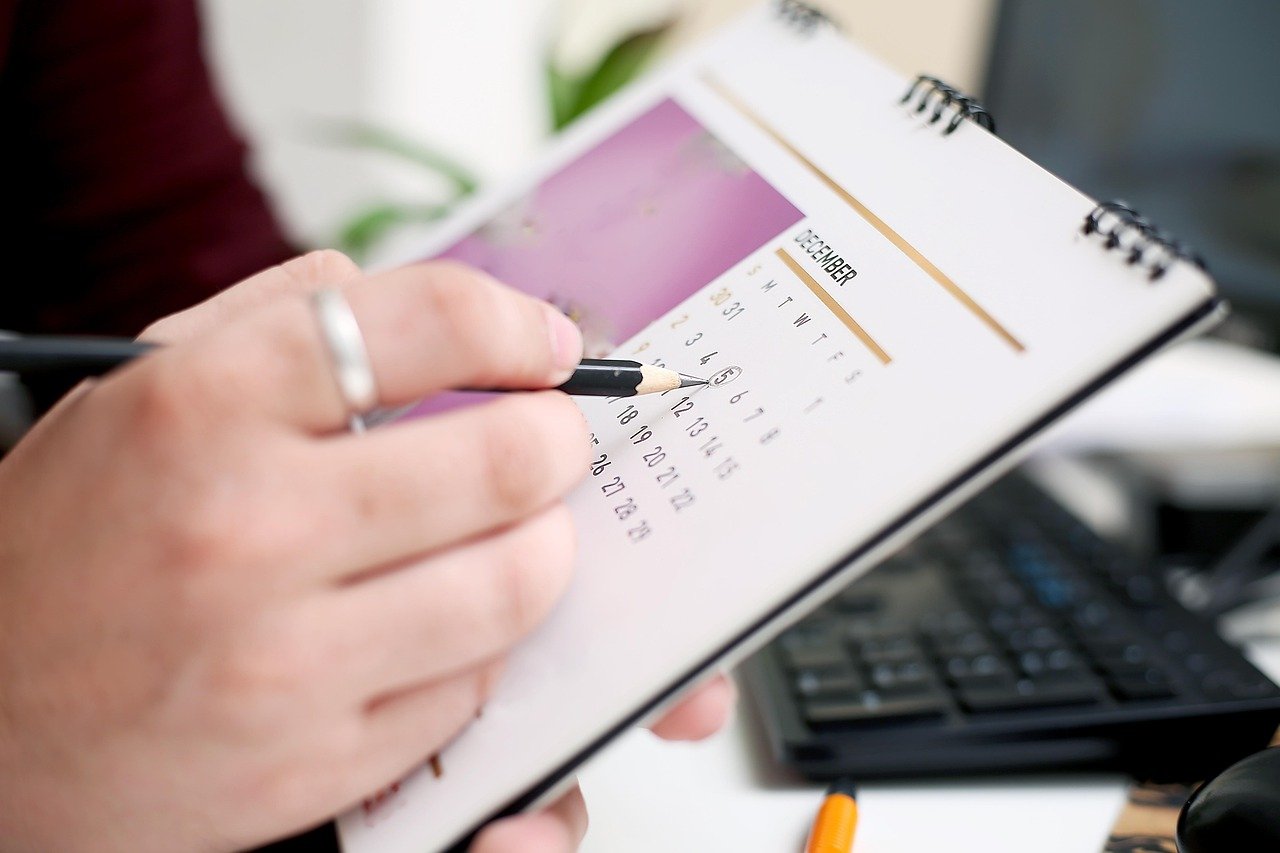
- Protect the time: Block a consistent slot on your calendar so the practice becomes a ritual, not an afterthought.
Given the 66-day timeline above, don’t expect this to feel automatic in week one. The Harvard study’s brain changes were measured at eight weeks of consistent practice — roughly the same window Lally’s research found for habit automaticity.
Related reading: 10 Health Benefits of Meditation and How to Focus on Mindfulness.
2. Move Your Body Every Day
Your physical health is the foundation for mental clarity, emotional balance, and consistent energy. Harvard Health reports that people who exercise moderately to vigorously about four days a week show more brain mass in regions tied to memory and learning than less active people.
How to stay active:
- Find what you love: Yoga, cycling, dancing, weightlifting — pick activities you actually enjoy.
- Start small but be consistent: Even 30 minutes of daily movement works. A short workout beats no workout.
- Buddy up: Exercising with friends or family makes it more fun and keeps you accountable.
Mood and sleep benefits from regular movement tend to show up faster than physical changes — often within a couple of weeks — which is part of why exercise is one of the easier habits to sustain past the initial motivation dip.
3. Set SMART Goals and Journal Your Progress
Goals give you direction, but only if they’re clear and achievable. SMART goals — Specific, Measurable, Achievable, Relevant, and Time-bound — turn vague intentions into a plan you can actually follow.
Journaling is the natural partner to goal-setting. A meta-analysis of 13 studies on expressive writing, summarized by Cornell University’s Evidence Based Living, found health benefits comparable to talk therapy — including improved mood and reduced depression symptoms.
- Track your goals: Break goals into weekly, reviewable steps rather than one big target.
- Try morning pages: Clear your mind with a few pages of freewriting each morning, a technique popularized by Julia Cameron.
- Keep a gratitude journal: Write down three things you’re grateful for each evening — a documented perspective-shifter that supports resilience.
Also read: Unlocking Inner Strength: Inspirational Quotes and Practical Insights for Resilience.
4. Commit to Lifelong Learning
The world changes fast, and staying relevant requires continuous learning. Whether it’s a new language, a creative skill, or coding, learning keeps your brain agile and opens doors both personally and professionally. Unlike the other habits here, this one doesn’t have a single landmark study behind it — the case for it is more common-sense than clinical, so treat it as general advice rather than a proven intervention.
- Go online: Platforms like Coursera, Udemy, and Skillshare offer courses on almost anything.
- Learn locally: Join a book club, attend workshops, or connect with community groups.
- Set a target: Pick one skill to master and give yourself a realistic timeline — small daily sessions add up faster than occasional long ones.
For book recommendations, see our guide: 13 Best Self-Improvement Books to Read in 2026. Prefer audio? We’ve also reviewed the best self-improvement podcasts.
5. Build a Consistent Morning Routine
How you start your day sets the tone for everything that follows. A structured morning routine reduces decision fatigue and helps you begin each day with purpose.
A simple template to try:
- 6:00 AM — Wake up and hydrate.
- 6:10 AM — Meditate for 5 minutes.
- 6:20 AM — Exercise for 20 minutes.
- 6:40 AM — Plan your day and note your top three priorities.
Consistency matters more than the exact schedule — anchor the routine to your natural wake time and protect it. For a deeper dive, read our guide to building the best morning routine for productivity. A good morning also starts the night before: our guide to abhyanga for sleep covers a simple evening ritual for falling asleep faster.
Systematic Self-Improvement Techniques
A systematic approach means building repeatable processes instead of relying on one-off motivation. Three techniques do most of the work: stacking new habits onto existing ones, running short weekly reviews, and treating setbacks as data instead of failure.
- Habit stacking: Pair a new habit with an existing one — for example, meditate right after brushing your teeth. Anchoring to something you already do automatically removes the “when will I do this?” decision.
- Weekly review cycles: Spend five minutes each week checking which habits stuck and which slipped, then adjust the plan rather than restarting from scratch.
- Systems over goals: A goal is a one-time target (“read 20 books this year”); a system is the repeatable process that gets you there (“read 10 pages every night”). James Clear’s Atomic Habits popularized this distinction, and it’s the difference between habits that survive a bad week and ones that don’t.
Self-Improvement Tips to Stay Consistent
Adopting a new habit is one thing; sticking with it long enough to reach the 66-day automaticity mark from Lally’s research is another. Two tips matter most here: don’t aim for perfection, and make progress visible.
- Expect to miss days: Lally’s study found that missing a single day didn’t meaningfully disrupt habit formation — so a skipped day isn’t a reason to quit, just to continue the next day.
- Get accountability: Share your goals with a friend or join a community for support.
- Track small wins: A simple streak count or checklist makes otherwise invisible progress visible, which helps motivation hold up past the first few weeks.
Helpful Tools and Resources
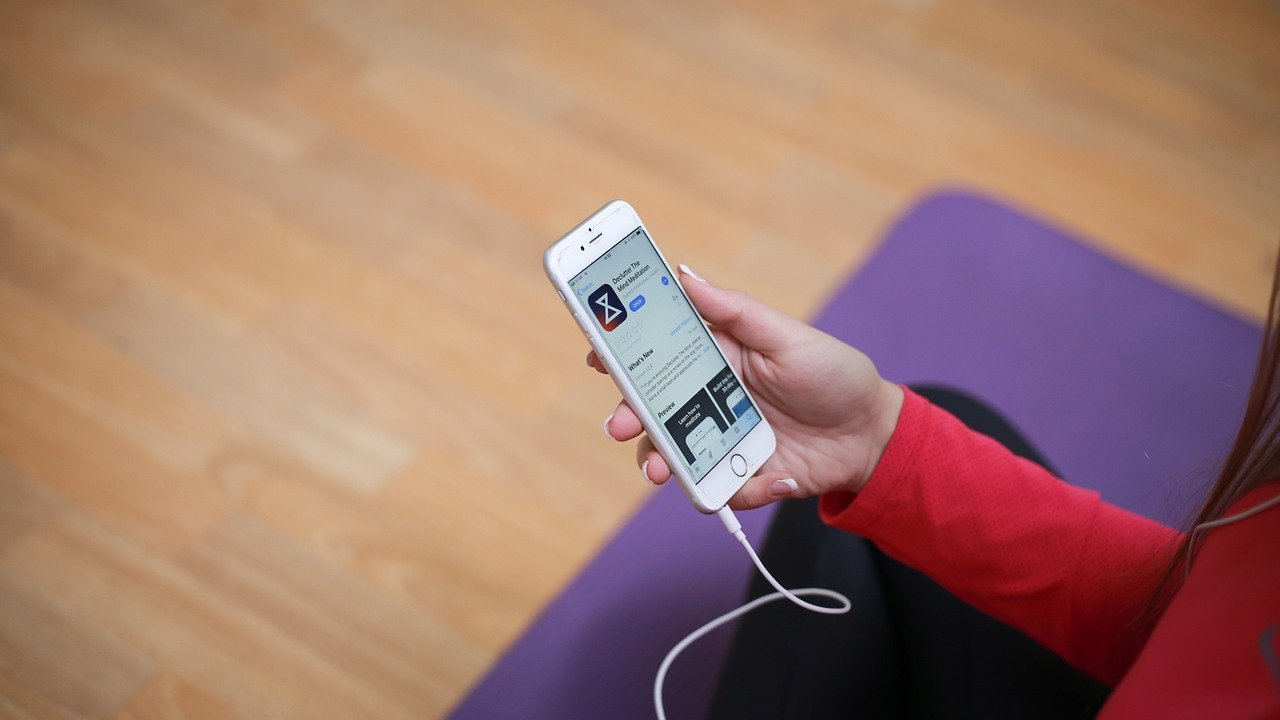
- Mindfulness apps: Headspace, Calm, Insight Timer.
- Goal-tracking tools: Notion, Trello, Habitica.
- Learning platforms: Coursera, Udemy, Skillshare.
- Books: Atomic Habits by James Clear, The Power of Now by Eckhart Tolle.
Managing stress alongside these habits? See our guides on stress management techniques for students and 10 ways to manage everyday stress for teens.
Want the research behind why any of this actually works? Our guide on what self-improvement actually means lays out the evidence and a simple planning framework.
Final Thoughts
Self-improvement isn’t built on willpower or grand plans — it’s built on habits repeated long enough to become automatic, and systems that keep working even when motivation doesn’t show up. Mindfulness, daily movement, SMART goals with journaling, lifelong learning, and a consistent morning routine cover the “what.” Habit stacking, weekly reviews, and treating missed days as normal cover the “how.”
Start small: pick one habit from this list and begin today. Give it the full 66-day window before judging whether it’s working.
Frequently Asked Questions
The five habits are: practicing daily mindfulness, moving your body every day, setting SMART goals paired with journaling, committing to lifelong learning, and building a consistent morning routine.
No. Start small by picking just one habit from the list and beginning today. Trying to overhaul everything at once is a common reason people abandon resolutions within a few months.
Systematic techniques are repeatable processes rather than one-off effort: habit stacking (pairing a new habit with an existing one), weekly review cycles to check what’s working, and building systems instead of chasing goals. The idea, popularized by James Clear’s Atomic Habits, is that a repeatable process outlasts a single target.
A University College London study found a median of 66 days for a habit to become automatic, with a range of 18 to 254 days depending on the behavior and person — not the popularized ’21 days.’ Missing a single day along the way didn’t meaningfully disrupt the process (Lally et al., 2010).
Habit stacking means pairing a new habit with one you already do consistently, such as meditating right after brushing your teeth. Anchoring a new behavior to an existing routine makes it far more likely to stick.
Journaling pairs naturally with goal-setting by helping you process experiences and track progress. A meta-analysis of 13 studies on expressive writing, summarized by Cornell University’s Evidence Based Living, found health benefits comparable to talk therapy, including improved mood and reduced depression symptoms.
An eight-week mindfulness meditation study from Harvard University found measurable increases in grey matter density in brain regions tied to learning, memory, and emotional regulation, not just a subjective sense of calm.










2 thoughts on “Top 5 Self-Improvement Habits for Lasting Personal Growth”