More than 1 in 3 American adults aren’t getting enough sleep, according to the Centers for Disease Control and Prevention. Globally, a 2025 peer-reviewed systematic review spanning 31 countries estimated that 852 million people meet clinical criteria for insomnia — a number that makes sleeplessness one of the most widespread health crises of our time (PMC, 2025).
Sleep medication gets most of the attention. But what if the answer was slower — and about 5,000 years older?
Abhyanga (pronounced ah-bee-YAHN-ga) is an Ayurvedic self-massage practice using warm oil as a pre-bed wind-down ritual. Research suggests it works, and the reason is more neurological than mystical. This guide covers the evidence, the right oil for your body type, and a complete 6-step bedtime routine to try tonight.
Key Takeaways
- Abhyanga is an Ayurvedic oil self-massage practice shown to reduce sleep disturbances by 27.9% in a pilot study presented at a Stanford-hosted conference (Banyan Botanicals / Stanford ETAM, 2021)
- The ritual works by activating the vagus nerve, shifting your body from fight-or-flight to rest-and-digest mode
- Warm oil massage + a warm rinse afterward mirrors the pre-bed heating mechanism shown to cut sleep onset time by ~36% (Haghayegh et al., Sleep Medicine Reviews, 2019)
- Sesame oil works best for most people; coconut oil suits those who run warm
- The full routine takes 15–20 minutes and is most effective 1–2 hours before bedtime
What Is Abhyanga? (The Practice Getting Modern Research Attention)
Abhyanga is the Ayurvedic practice of massaging the body with warm oil — typically sesame or coconut — using long strokes on the limbs and circular motions around the joints. It originates in one of the world’s oldest medical systems, where the Sanskrit word for oil (“Sneha”) also means “love,” and daily self-massage is prescribed as part of Dinacharya, the Ayurvedic morning and evening routine described in texts including the Charaka Samhita.
This isn’t a niche curiosity. The global Ayurveda market was valued at $20.42 billion in 2025 and is projected to reach $85.83 billion by 2033 at a compound annual growth rate of 19.72%, much of it driven by rising demand for non-pharmaceutical sleep and stress interventions (Grand View Research, 2025).
What makes Abhyanga different from applying moisturizer before bed is the combination of warm oil, intentional stroke direction (always toward the heart), and duration — typically 15–20 minutes followed by a warm shower. The warmth of both the oil and the rinse, it turns out, is a significant part of why it works for sleep.
Why Does Abhyanga Help You Sleep? (What the Research Shows)
Abhyanga improves sleep by activating the vagus nerve — the primary nerve of the parasympathetic “rest-and-digest” system — through sustained warm-oil touch. This shift is measurable: a widely cited review of studies published in the International Journal of Neuroscience found massage therapy was associated with an average 31% decrease in cortisol levels, a 28% increase in serotonin, and a 31% increase in dopamine (Field et al., 2005, PubMed). A 2024 review in the Journal of Integrative Neuroscience confirmed that gentle sustained touch directly suppresses cortisol and stimulates oxytocin release, with autonomic effects measurable within minutes (JIN, 2024).
On sleep specifically, a pilot study of 49 adults presented at Stanford University’s Evidence-Based Traditional Asian Medicine Conference found that participants practicing daily Abhyanga self-massage with oil saw a 27.9% decrease in sleep disturbances on the validated PROMIS Sleep Disturbance scale — compared to just 12.2% in the dry-massage control group. The same group reported a 13% improvement in overall quality of life scores versus 2.4% in the control arm. Note: this study was conducted with support from Banyan Botanicals, an Ayurvedic brand, and hasn’t yet appeared in a peer-reviewed journal — treat it as promising preliminary evidence (Banyan Botanicals / Stanford ETAM Conference, 2021).
The warm shower at the end of Abhyanga adds a separate mechanism. A 2019 systematic review of 13 trials in Sleep Medicine Reviews found that a warm shower or bath at 40–42.5°C (104–109°F), taken 1–2 hours before bed for just 10 minutes, cut sleep onset latency by approximately 36% and significantly improved subjective sleep quality (Haghayegh et al., University of Texas Austin, 2019). In Abhyanga, the warm oil session and the warm rinse work together on this mechanism.
Which Oil Should You Use for Abhyanga?
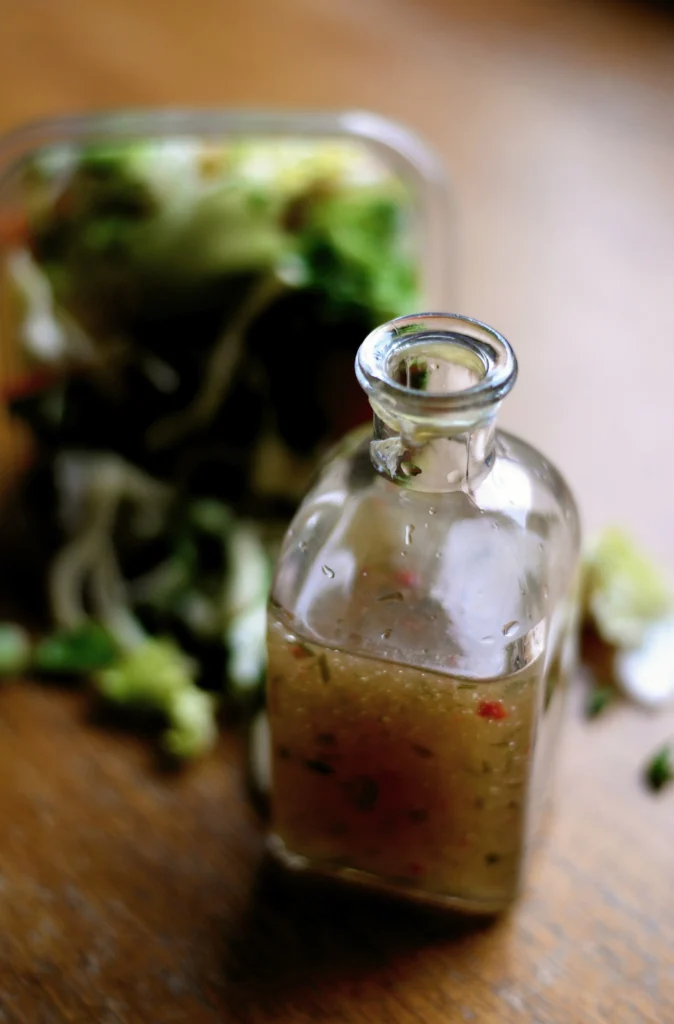
Choosing the right Abhyanga oil depends on your body type, and the difference isn’t arbitrary. Ayurveda classifies body constitutions into three doshas — Vata, Pitta, and Kapha — each with different thermal and hydration needs. Sesame oil is the most broadly recommended and the most studied. A 2025 paper in Scientific Reports (Nature portfolio) confirmed that sesamol — the primary bioactive lignan in sesame oil — protects the skin’s moisture barrier by regulating AQP3 and HAS2 proteins through MAPK signaling, making topical sesame oil genuinely restorative for skin, not just moisturizing (Scientific Reports, 2025).
| Body Type (Dosha) | Characteristics | Best Oil | Why It Works |
|---|---|---|---|
| Vata | Feels cold, anxious, dry skin | Sesame | Warming, grounding, moisture-restorative |
| Pitta | Runs warm, sensitive/reactive skin | Coconut | Cooling, light, absorbs quickly |
| Kapha | Oily skin, feels sluggish | Mustard or light sesame | Stimulating, reduces congestion |
| Beginners / all types | Any | Sweet almond | Neutral, low-residue, nut-free alternatives exist |
Regardless of which oil you choose: warm it before use. Place the bottle in a mug of hot water for 3–5 minutes. The warmth isn’t optional — it’s the delivery mechanism for the thermal nerve signals that trigger parasympathetic activation.
The 6-Step Abhyanga Bedtime Routine (Full Walkthrough)
Start your Abhyanga session 1–2 hours before your target sleep time, not immediately before lying down. The reason: the warm shower in step 6 causes a brief rise then a drop in core body temperature — and it’s that drop that signals the brain to enter deep sleep. Timing matters more than people expect.
What you’ll need: roughly ¼ cup of your chosen oil, a small bowl, an old towel, and 15–20 uninterrupted minutes.
Step 1 — Dim the environment (2 minutes). Lower the lights before you start. Blue-spectrum light suppresses melatonin production, so switching to warm, dim lighting 30–60 minutes before bed supports the ritual on a neurological level, not just a mood level.
Step 2 — Warm the oil (3 minutes). Pour your oil into a small bowl and rest it in a mug of hot tap water. It should feel warm but comfortable on the inside of your wrist — not hot. Cold oil won’t activate the thermal receptors that drive this practice.
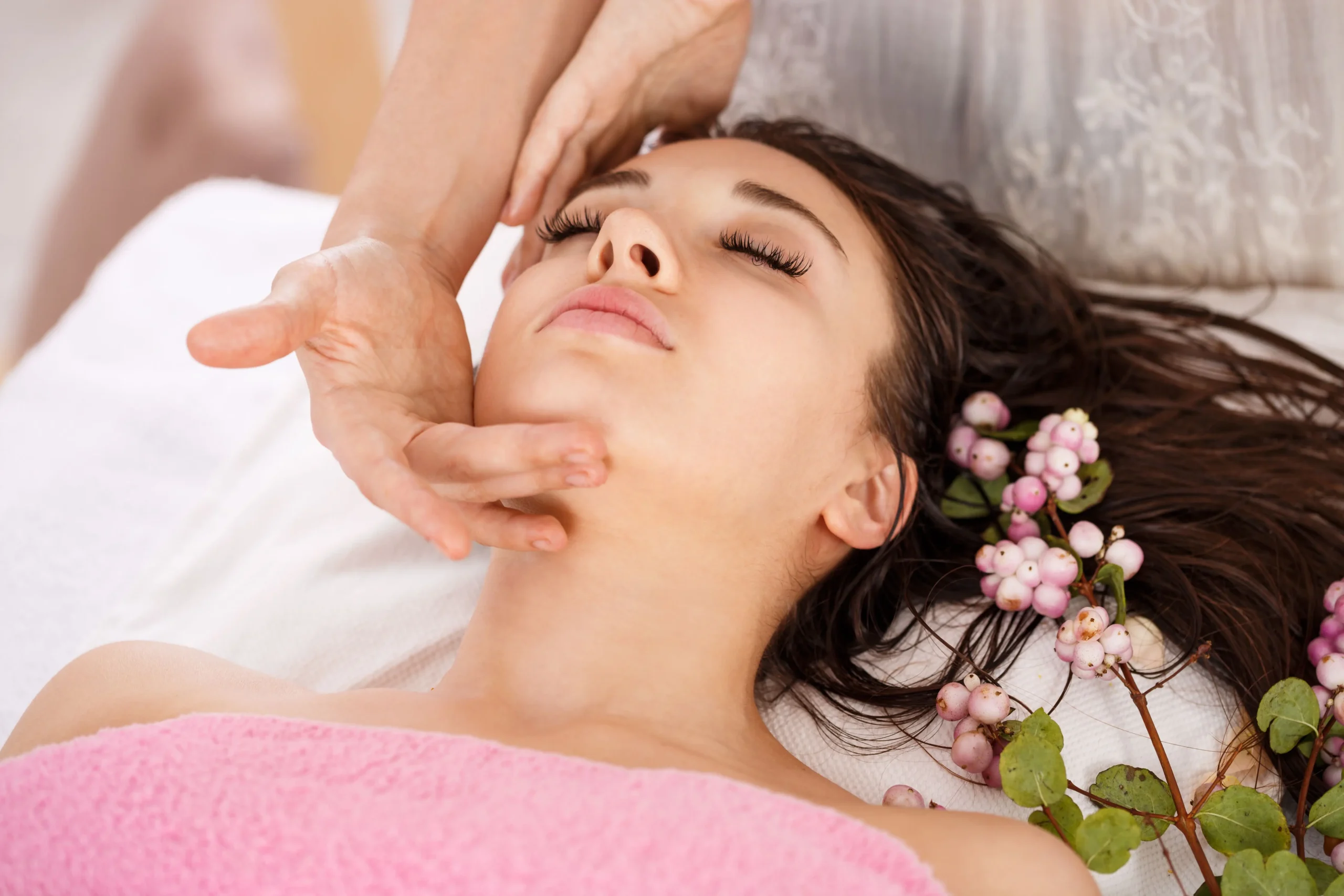
Step 3 — Start at the scalp and face (3 minutes). Begin with small circular motions on the scalp, then work across your forehead, temples, and jaw. The jaw especially — it holds more unconscious tension than most people realize, and that tension transfers directly into restless sleep.
Step 4 — Work down the body (7 minutes). Use long, sweeping strokes on your arms and legs, moving toward the heart to support venous return. Switch to circular motions at your joints — shoulders, elbows, wrists, knees, ankles. Take your time at the soles of your feet: Padabhyanga (Ayurvedic foot massage) is now the subject of a 2026 Frontiers in Medicine RCT evaluating it alongside cognitive behavioral therapy for insomnia, the first trial of its kind (Frontiers in Medicine, 2026).
Step 5 — Rest for 5–10 minutes. After oiling your full body, sit on your towel for at least 5 minutes. This isn’t optional padding — it’s when absorption deepens and the parasympathetic shift takes hold. Use this time for slow nasal breathing: 4 counts in, 6 counts out. The extended exhale activates the vagus nerve directly.
Step 6 — Warm shower. Rinse off in warm (not hot) water. You don’t need to scrub thoroughly — a light rinse removes excess oil while leaving a thin protective layer on the skin. Pat dry gently. You’ll step out noticeably calmer and heavier — that’s the state you want to carry into sleep.
What to Expect: Week 1 vs. After a Month
In week 1, the shift is mostly behavioral. Your nervous system begins registering the ritual as a sleep-onset cue through simple conditioning — the same mechanism that makes reading in bed eventually make you drowsy regardless of the book. You’ll likely notice softer skin and a calmer hour before bed, but probably not dramatic sleep changes yet.
By weeks 2–3, the conditioning deepens. With repetition, the body starts anticipating sleep from the moment oil touches skin. Some people report falling asleep 10–15 minutes faster by this stage.
After a month, the cumulative benefit becomes measurable. The 27.9% sleep disturbance reduction from the Banyan Botanicals pilot study was recorded over a sustained multi-week practice — not after a single session. Consistent practitioners tend to report shorter sleep onset, fewer middle-of-night wake-ups, and improved daytime energy. The practice compounds.
Three Common Mistakes That Undermine the Ritual
Using cold or room-temperature oil. Cold oil doesn’t produce the thermal nerve signals that drive vagal activation. The warmth is functional, not aesthetic. If the oil feels cool on your wrist, reheat it.
Starting too close to bedtime. Doing Abhyanga at 11:00 PM for an 11:10 PM bedtime skips the most physiologically active phase — the post-shower temperature drop that signals the brain it’s time to sleep. Start 1–2 hours before.
Multitasking during the session. Scrolling your phone while applying oil negates the parasympathetic shift. Five distracted minutes is not equivalent to 15 intentional ones. The practice works through sustained attention to physical sensation, which is what quiets the default mode network responsible for rumination.
Is Abhyanga Safe for Everyone? (Contraindications)
Abhyanga is appropriate for most adults, but a few situations call for modification or medical guidance first.
Avoid applying oil to: open wounds, active rashes, skin infections, or areas of acute inflammation. The massage itself should be avoided during fever or acute illness — Ayurvedic tradition and common clinical sense align here.
Consult a provider first if you: are pregnant (some acupressure points on the feet are contraindicated), take blood-thinning medications, or have a circulatory condition. Sweet almond oil is nut-derived — those with tree nut allergies should use sesame or coconut instead.
For acne-prone skin, avoid applying heavy oils to the face, and note that coconut oil can clog pores for some people. Stick to sesame or sweet almond oil on the face if breakouts are a concern.
Abhyanga works best as one piece of a broader wind-down routine. If you want to build out the rest of your evening, our sleep meditation guide covers how to pair breathwork with the ritual, or try layering in a 5-minute sleep meditation script right after step 6. And if you’re curious about other viral fixes, we’ve looked at other sleep hacks worth trying (or skipping).
Frequently Asked Questions About Abhyanga for Sleep
How long before bed should I do Abhyanga?
Start 1–2 hours before your target sleep time, not immediately before lying down. A 2019 meta-analysis in Sleep Medicine Reviews found that passive body heating — including the warm shower that ends an Abhyanga session — reduces sleep onset latency by ~36% when it occurs in this 1–2 hour pre-bed window (Haghayegh et al., 2019). Done too close to bedtime, the body temperature drop that triggers deep sleep hasn’t had time to occur.
How many nights until I notice a difference?
Most people feel calmer within 1–2 sessions, but measurable sleep improvement typically emerges after 2–4 weeks of consistent practice. The pilot study presented at Stanford’s ETAM Conference recorded its results across a sustained multi-week practice period. Think of it like exercise: the single session matters less than the compound effect of the habit.
Can I use regular cooking sesame oil?
Cold-pressed, untoasted sesame oil is preferred over cooking sesame oil. Toasted sesame oil has a strong culinary aroma most people find unpleasant on skin. Cold-pressed oil also retains higher concentrations of sesamol — the bioactive compound studied in the 2025 Scientific Reports skin-barrier research (Nature, 2025). Look for “light sesame oil” or “cold-pressed sesame oil” at health food stores or online.
Will the oil stain my bedsheets?
It generally won’t if you follow step 6 (the warm shower) and pat dry thoroughly before getting into bed. Wearing old pajamas for the first few sessions while you calibrate how much oil you use is a practical precaution. Most people find that once they get the amount right — roughly ¼ cup for the full body — residual staining isn’t an issue.
Is self-Abhyanga as effective as professional massage?
Close. The Banyan Botanicals pilot study compared all three: professional massage achieved a 33.2% reduction in sleep disturbances, daily self-Abhyanga with oil achieved 27.9%, and dry self-massage (no oil) achieved 12.2%. Self-Abhyanga outperformed dry massage by more than 2×, and came within 5 percentage points of professional massage — while being free, daily, and available at 10 PM in your bathroom (Banyan Botanicals / Stanford ETAM, 2021).