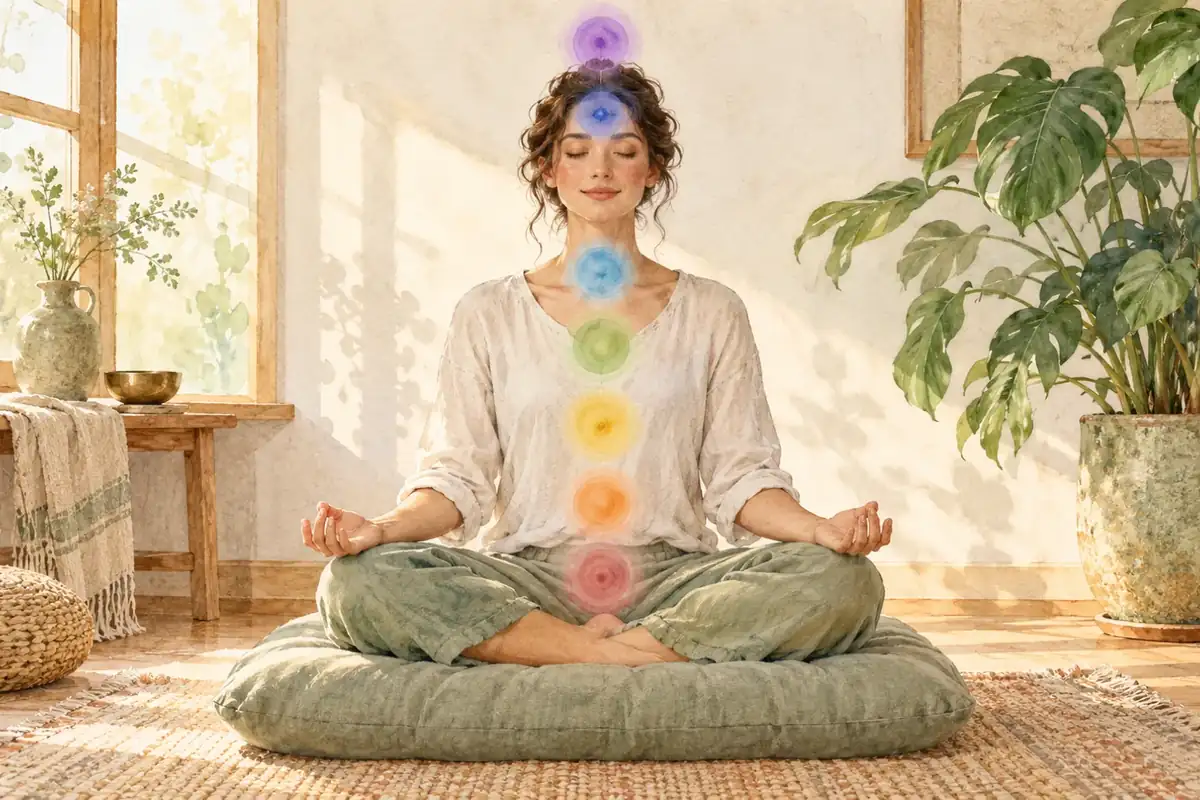
A 20-second TikTok video promising to help you fall asleep in under 2 minutes has exploded, racking up over 50 million views and thousands of shares across TikTok, Instagram Reels, and YouTube Shorts. In the clip, a wellness influencer demonstrates a simple technique that’s got everyone talking—from stressed-out students to chronic insomniacs. The comment sections are buzzing with people swearing it’s a game-changer, while others call it overhyped. But can something this quick and easy really help you drift off? Let’s dig in.
What the Hack Actually Is
The viral sleep hack is the 4-7-8 breathing technique, a method that’s as simple as it sounds. Here’s how it works:
- Inhale quietly through your nose for 4 seconds.
- Hold your breath for 7 seconds.
- Exhale slowly through your mouth for 8 seconds, making a soft whooshing sound.
- Repeat 4-8 cycles before bed.
This technique comes from Dr. Andrew Weil, who adapted it from pranayama, an ancient yogic breathing practice. It’s said to calm the nervous system and prep your body for sleep by slowing your heart rate. The military also uses similar methods to help soldiers rest in high-stress environments. Sounds promising—but does it deliver?
How to Clear Your Mind: 14 Ways to Stop Overthinking.
Who’s Trying It—and What They’re Saying
The 4-7-8 breathing hack has sparked genuine debate online. On threads like Reddit’s r/SleepHacks, reactions run the full spectrum — some people report falling asleep noticeably faster within a few nights of trying it, others say it did nothing for them, and a few find the counting itself distracting rather than calming. That split isn’t unusual for a relaxation technique: how much a slow-breathing exercise helps tends to depend on why you’re awake in the first place, not just whether you follow the steps correctly.
If your brain feels wide awake at midnight, even when you’re exhausted, you’re not alone. In this article on why your brain throws midnight Netflix parties, we explore the psychology behind racing thoughts and mental overstimulation that sabotages sleep.
Stressed Out? You’re Not Alone! A Guide to Stress Management Techniques for Students
Abhyanga for Sleep: The Ancient Ayurvedic Ritual That Helps You Fall Asleep Faster
Lucid Dream Meaning: What It Really Tells You About Your Mind
What the Research Actually Shows
The honest answer: the evidence is real but still limited. There’s no large randomized controlled trial on 4-7-8 breathing specifically, so be wary of anyone stating its effects as settled fact.
Why it Works (partially): A 2022 controlled study in Physiological Reports measured heart rate variability during 4-7-8 breathing and found a significant shift toward parasympathetic activity during the exercise itself — the same nervous-system state associated with winding down. Smaller trials in other settings have found reduced anxiety scores after 4-7-8 breathing compared to normal breathing. What’s missing is large-scale evidence that it reliably improves sleep for people with real insomnia, as opposed to helping most people relax in the moment.
For mild, stress-related trouble falling asleep, that’s a reasonable case for trying it. For chronic insomnia, breathing exercises are a support tool, not a replacement for the things that actually treat it — cognitive behavioral therapy for insomnia (CBT-I) or a conversation with a doctor. The Sleep Foundation’s guide to breathing exercises for sleep covers 4-7-8 alongside a few alternatives if this one doesn’t click for you.
What to Actually Expect If You Try It
Based on the research above and the pattern in user reports, here’s a realistic expectation rather than a hyped one:
- First few nights: The counting itself can feel distracting rather than calming — that’s normal, not a sign it’s not working.
- After the first week: Most people who stick with it find the counting becomes automatic, and the exhale-focused breathing starts to feel genuinely calming rather than effortful.
- On genuinely stressful nights: Expect it to help you relax, not necessarily to make you fall asleep instantly — a racing mind from a hard day isn’t something 90 seconds of breathing fully resets.
It’s free, takes under two minutes, and has no real downside to trying — which is more than you can say for most viral wellness trends.
Frequently Asked Questions
No — user reports genuinely split, and the research backs that up: it shifts the body toward a calmer, parasympathetic state during the exercise, but there’s no large trial showing it reliably fixes sleep problems for everyone. It’s best suited to mild, stress-related trouble falling asleep, not chronic insomnia.
Give it about a week of consistent practice before judging it. The first few nights, the counting itself often feels distracting rather than calming — that’s normal. Most people who stick with it report the counting becomes automatic and the technique starts to feel genuinely relaxing after several nights.
For most healthy adults, yes — it’s a breathing pattern, not a supplement or medication, and it has no real downside. If you have a respiratory condition or feel lightheaded while doing it, ease into shorter breath holds or check with a doctor first.
The Verdict
The 4-7-8 breathing hack isn’t a one-size-fits-all fix, but it’s a legitimate tool for winding down, backed by real (if still-developing) research on how it shifts the nervous system toward relaxation. It’s best for people with mild sleep troubles or a racing mind at bedtime. If you’ve got chronic insomnia, don’t expect it to fix that on its own — pair it with CBT-I or a doctor’s advice. For everyone else, it’s a simple, no-cost way to ease into sleep. No magic bullet, but worth a shot.