Dreaming and sleep apnea are intricately connected, yet this relationship remains largely misunderstood. Dreams, a cornerstone of our mental and emotional health, are deeply influenced by the quality of our sleep. However, for individuals with sleep apnea — a condition characterized by repeated interruptions in breathing during sleep — dreaming often becomes disrupted or takes on vivid, unsettling forms.
Many people with sleep apnea struggle with dream recall or experience nightmares tied to oxygen deprivation. Understanding this connection is vital for addressing sleep apnea’s impact on overall well-being and uncovering ways to improve sleep quality.
In this article, we’ll explore the research-backed link between dreaming and sleep apnea — including where the research is more nuanced than popular claims suggest — and offer practical solutions for better sleep and healthier dreams.
This article is educational and written by LifeNByte’s editorial team, not certified medical professionals — see our editorial process and medical disclaimer. Sleep apnea is a diagnosable medical condition; if you recognize these symptoms, talk to a doctor or ask for a referral to a sleep study.
Key Takeaways
- Suffocation and choking themes in nightmares are a documented finding in OSA patients, not folklore — a case-control study of 99 patients found most nightmares involved suffocation content (Frontiers in Neurology review, 2019).
- CPAP treatment resolved OSA-associated nightmares in 91% of patients in one study — but its effect on general dream recall is more mixed than “treatment brings dreams back” suggests.
- Research on whether OSA reduces or increases dreaming is genuinely contradictory across studies — treat strong one-line claims about this with caution.
The Science of Dreaming
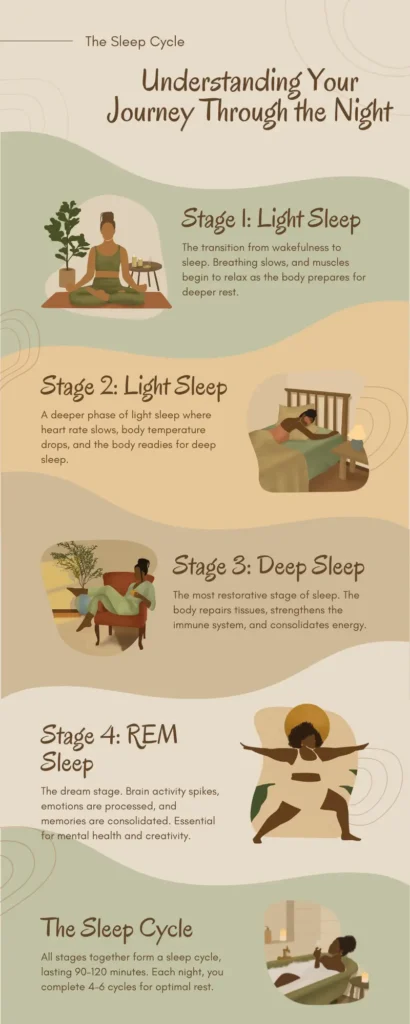
Dreaming is a universal experience, yet it remains one of the least understood phenomena of human sleep. At its core, dreaming occurs during a specific phase of the sleep cycle known as REM sleep, or rapid eye movement sleep. This phase is marked by heightened brain activity, irregular breathing, and the vivid mental imagery we recognize as dreams.
The Role of Dreams
Dreams are more than just fleeting mental movies; sleep researchers generally believe they play a role in:
- Emotional Processing: Dreams may help the brain manage and process emotions from the day.
- Memory Consolidation: REM sleep is linked to transferring memories from short-term to long-term storage.
- Mental Health: Chronically disrupted sleep, including REM sleep, is associated with worse mood and cognitive function.
The Sleep Cycle and REM Sleep
Sleep is divided into four main stages, cycling throughout the night:
- Stage 1 (Light Sleep): Transitioning from wakefulness to sleep.
- Stage 2 (Light Sleep): Body temperature drops, and heart rate slows.
- Stage 3 (Deep Sleep): Physical recovery and tissue repair occur here.
- REM Sleep: The dream-heavy phase where the brain is highly active.
Most people enter REM sleep about 60–90 minutes after falling asleep, and it recurs multiple times during the night. For individuals with sleep apnea, this cycle is often disrupted, making it harder to reach or sustain REM sleep.
Sleep and Dreaming Decoded: Why Your Brain Throws Midnight Netflix Parties
Understanding Sleep Apnea
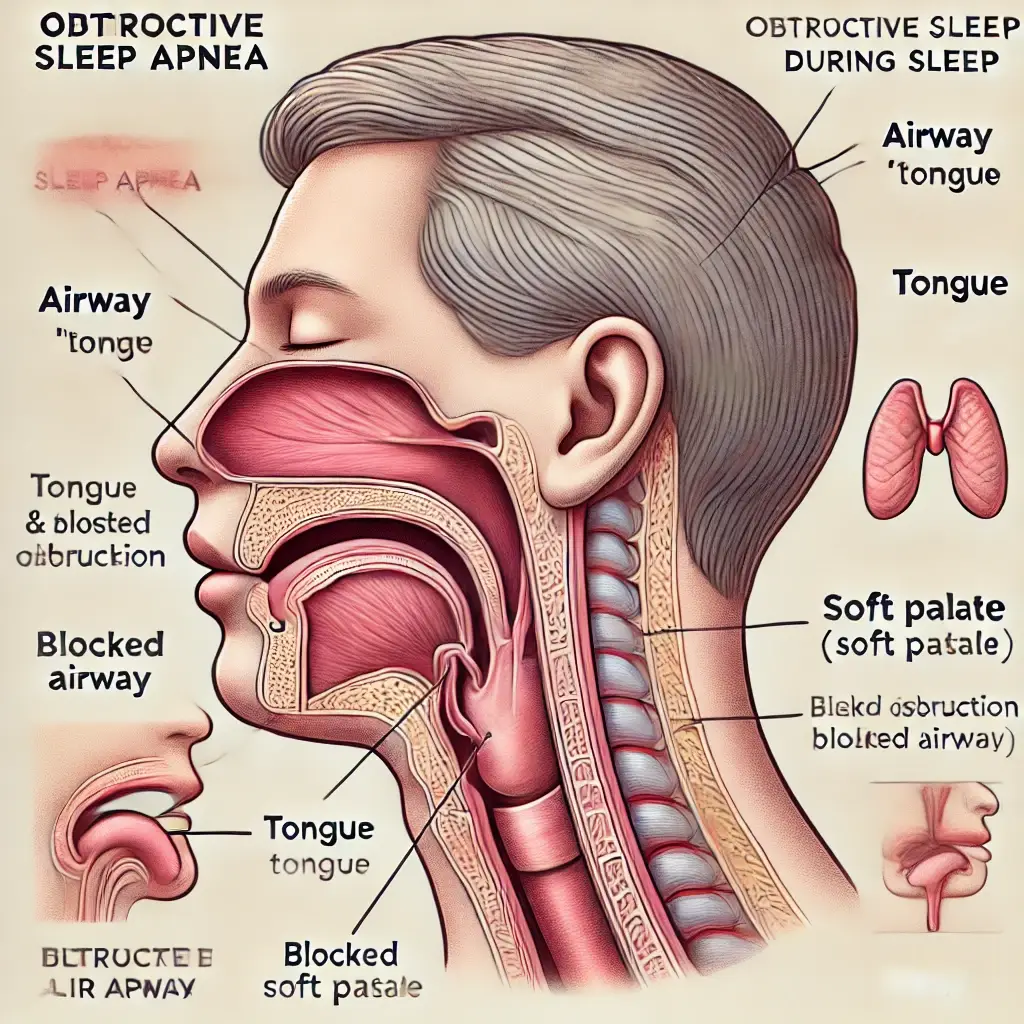
Sleep apnea is a common but often underdiagnosed sleep disorder that affects millions worldwide — an estimated 30 million adults in the United States alone (Sleep Foundation). It is characterized by repeated interruptions in breathing during sleep, which can significantly impact the quality of rest and overall health.
Types of Sleep Apnea
1. Obstructive Sleep Apnea (OSA)
The most common type. It occurs when the airway becomes physically blocked, often due to relaxed throat muscles, excess weight, or structural issues like a misaligned jaw.
2. Central Sleep Apnea (CSA)
Not caused by a physical blockage. It occurs when the brain fails to send proper signals to the muscles responsible for breathing, causing pauses even when the airway is clear.
3. Mixed Sleep Apnea
Combines features of both obstructive and central sleep apnea, making diagnosis and treatment more complex.
Symptoms of Sleep Apnea
- Loud, Persistent Snoring: A hallmark symptom, often disruptive to others nearby.
- Gasping or Choking During Sleep: Sudden awakenings with a sensation of choking or shortness of breath.
- Excessive Daytime Fatigue: Feeling tired and drowsy despite seemingly adequate sleep.
- Difficulty Concentrating: Struggling with focus, memory, or completing tasks due to sleep deprivation.
- Mood Changes: Increased irritability, anxiety, or even depression as a result of poor-quality sleep.
If you or a loved one experience these symptoms, it may be time to consult a healthcare professional for evaluation and treatment.
Lucid Dream Meaning: What the Science Actually Says About Your Mind

What the Research Actually Shows About Sleep Apnea and Dreaming
Dreaming is closely tied to REM sleep, and untreated OSA disrupts that stage. But the specific claim “sleep apnea means fewer dreams” oversimplifies a body of research that’s genuinely mixed. A 2019 review in Frontiers in Neurology notes that contradictory results have been reported: some studies find OSA patients dream less, while others find they dream more — with more emotional, violent, or hostile content (Krakow et al., Frontiers in Neurology, 2019).
The Nightmare Connection Is the Best-Documented Part
What the research supports more consistently is a specific link to nightmare content. A prospective case-control study of 99 OSA patients with nightmares found that most nightmare content involved suffocation or drowning — themes of strangulation, being unable to breathe underwater, or being trapped (Frontiers in Neurology, 2019). A separate study in the Journal of Clinical Sleep Medicine found that nightmare frequency was independently predicted by the apnea-hypopnea index during REM sleep specifically — meaning the breathing interruptions during the dreaming stage of sleep, not just overall severity, drive the effect (Journal of Clinical Sleep Medicine).
Also check out: Stressed Out? You’re Not Alone! A Guide to Stress Management Techniques for Students.
Does Treatment Bring Dreams Back? It’s Complicated
This is where popular claims oversimplify the most. CPAP therapy did resolve nightmares in 91% of patients in one study — a strong result. But its effect on general dream recall is not a simple “fixed apnea, dreams return” story: one study found dream recall actually dropped to 20-24% in the first three months of CPAP use, before rising to 39% after two years of treatment (PubMed, changes in dreaming induced by CPAP in severe OSA). What does improve consistently with treatment is dream content — unpleasant and violent dream themes drop substantially once apnea is treated.
How to Maintain a Strong Healthy Relationship with My Teen
Broader Impacts of Sleep Apnea on Mental and Emotional Health
Sleep apnea doesn’t just affect breathing and sleep cycles — it has real implications for mental and emotional well-being.
Increased Risk of Depression and Anxiety
Chronic sleep disruption caused by sleep apnea has been linked to mood disorders, including depression and anxiety (Cleveland Clinic). A lack of restorative sleep and frequent nightmares can contribute to fatigue and low mood, while repeated nighttime disruptions can heighten dread around sleep itself.
Cognitive and Physical Consequences
Disrupted REM sleep is linked to memory and concentration difficulties. Untreated sleep apnea is also associated with increased risk of cardiovascular conditions and strained relationships, particularly where loud snoring or nighttime symptoms affect a partner’s sleep too.
Also check out: Sleep Meditation: Your Ultimate Guide to Restful Nights.
Solutions: Improving Sleep Quality and Dreaming
Sleep apnea is a treatable condition, and with proper care, it’s possible to restore both restful sleep and healthier dreams.
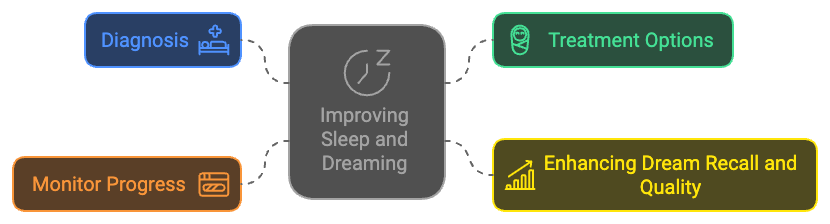
Step 1: Diagnosis
- Sleep Study: A professional sleep study (in a lab or at home) monitors your breathing, oxygen levels, and sleep stages to diagnose sleep apnea.
- Recognizing Symptoms: Keep a record of symptoms such as snoring, daytime fatigue, or disrupted sleep to share with your healthcare provider.
Step 2: Treatment Options
1. CPAP Therapy
- A continuous positive airway pressure (CPAP) machine keeps the airway open during sleep (Sleep Foundation) and is one of the most effective treatments for moderate to severe obstructive sleep apnea.
2. Oral Appliances
- Custom-fitted devices reposition the jaw to keep the airway unobstructed (Sleep Foundation) — an option for people with mild to moderate sleep apnea who find CPAP uncomfortable.
3. Neurostimulation Therapy
- Devices like Inspire®, an FDA-approved implant, stimulate throat muscles to keep the airway open — an alternative for people who can’t tolerate CPAP.
4. Lifestyle Modifications
- Weight Management: Reducing excess weight can alleviate pressure on the airway.
- Sleeping Position: Sleeping on your side rather than your back minimizes airway blockages.
- Avoid Alcohol: Alcohol relaxes throat muscles, increasing the risk of obstructions.
5. Surgical Interventions
In severe cases, surgery to remove excess tissue or correct structural abnormalities may be recommended.
Step 3: Supporting Dream Recall and Quality
As sleep quality improves, dreaming often changes too — though as the research above shows, don’t expect an immediate return to vivid dream recall in the first few months of treatment.
- Establish a Consistent Sleep Routine: Go to bed and wake up at the same time daily.
- Practice Relaxation Techniques: Meditation or deep breathing can improve sleep onset and quality.
- Keep a Dream Journal: Writing down your dreams upon waking can help train your mind to recall them more vividly.
10 Ways to Manage Everyday Stress (for Teens)
Conclusion
Dreaming and sleep apnea are genuinely connected, but the relationship is more nuanced than simple “apnea stops your dreams” claims suggest. What’s well-documented is the nightmare connection — suffocation and choking themes, driven specifically by breathing interruptions during REM sleep. What’s less settled is the exact effect on dream frequency and recall, where treatment shows real but non-linear improvement.
If you suspect sleep apnea is affecting your sleep, dreams, or health, a sleep study is the reliable next step — not guesswork based on dream content alone.
This Viral Sleep Hack Promises Better Rest — Should You Try It?
Frequently Asked Questions
Research is genuinely mixed here. Some studies find OSA patients dream less, while others find they dream more — with more emotional or violent content. What’s more consistent is that breathing interruptions during REM sleep specifically predict nightmare frequency.
A case-control study of 99 OSA patients with nightmares found most nightmare content involved suffocation or drowning themes. Researchers believe the choking sensations and drops in oxygen during apnea episodes directly shape dream content (Frontiers in Neurology, 2019).
It’s complicated. One study found CPAP therapy resolved nightmares in 91% of patients, but dream recall actually dropped in the first three months of treatment before rising after two years. Dream content (less violent, less unpleasant) improves more consistently than dream recall does.
Not on their own. Vivid dreams and nightmares have many causes. But recurring nightmares specifically involving choking, suffocation, or an inability to breathe are common enough in OSA patients that they’re worth mentioning to a doctor alongside other symptoms like loud snoring or daytime fatigue.